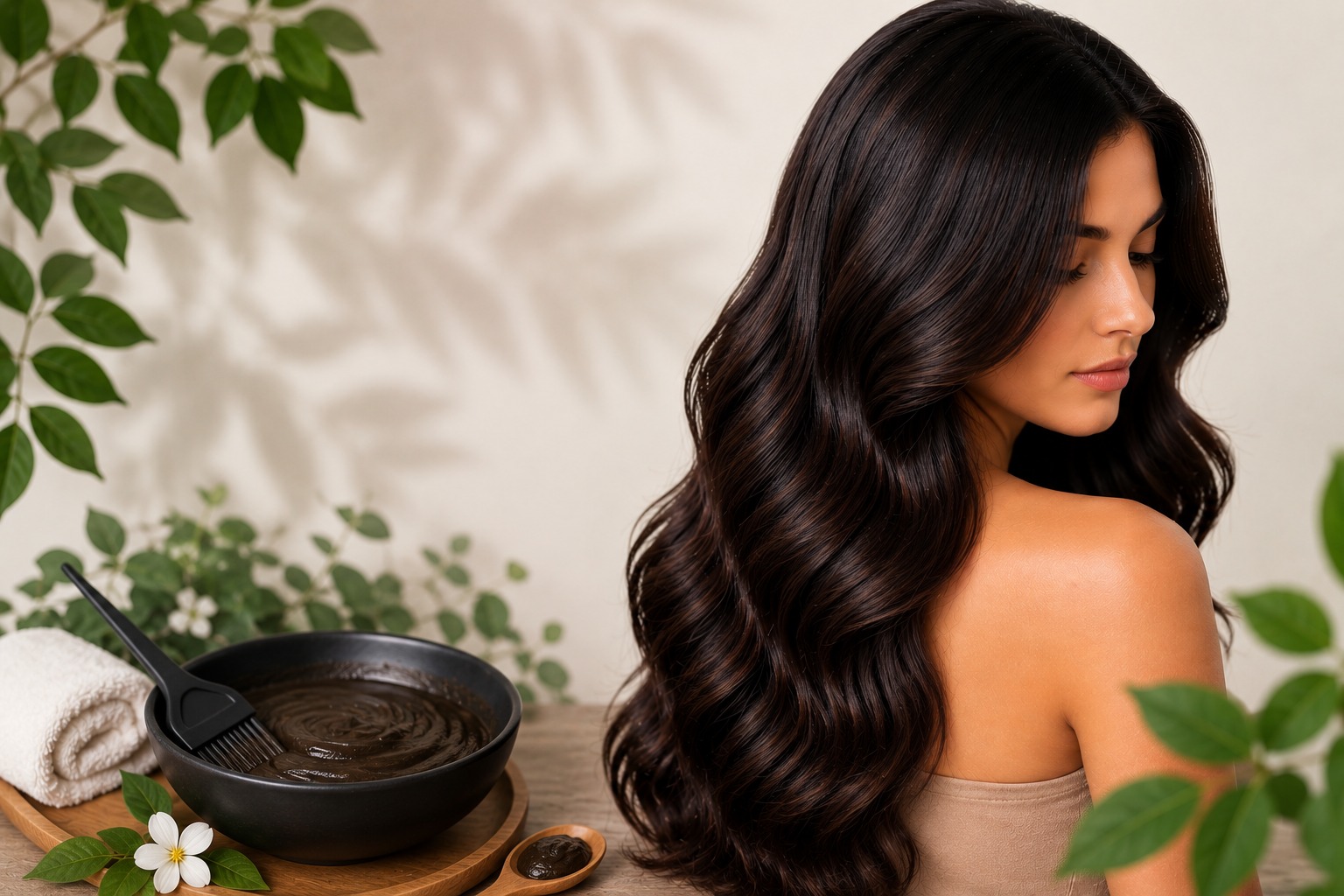
In today’s fast-paced world, where stress, pollution, and unhealthy lifestyles dominate our daily routines, people are increasingly seeking ways to reconnect with nature. One of the most significant shifts in modern wellness is the growing trust in natural herbal products. From skincare to healthcare, herbal solutions are no longer just traditional remedies—they are becoming essential components of a healthier, more balanced life.
The Shift Towards Natural Living
Modern consumers are more informed than ever. With easy access to information, people are now questioning the long-term effects of synthetic chemicals and artificial ingredients. This awareness has sparked a global movement towards clean, green, and sustainable living. Natural herbal products, derived from plants, roots, and minerals, offer a safer and more holistic alternative.
Unlike chemical-based products that often provide quick but temporary results, herbal products focus on addressing the root cause of problems. They work in harmony with the body, promoting long-term wellness rather than short-term fixes.
Benefits of Herbal Products
One of the biggest advantages of herbal products is their minimal side effects. Since they are made from natural ingredients, they are generally gentler on the body and suitable for long-term use. Ingredients like aloe vera, turmeric, neem, and ashwagandha have been used for centuries and are backed by traditional knowledge as well as modern research.
Herbal products are also rich in nutrients, antioxidants, and essential oils that nourish the body. Whether it’s boosting immunity, improving skin health, or reducing stress, these products provide comprehensive benefits.
Another important aspect is sustainability. Herbal products are often produced using eco-friendly processes, making them better for the environment. As consumers become more environmentally conscious, this factor plays a crucial role in their purchasing decisions.
The Rise of Herbal Skincare and Wellness
The beauty and wellness industry has witnessed a major transformation with the rise of herbal products. Consumers are now opting for chemical-free skincare, organic cosmetics, and natural supplements. Brands that focus on transparency, authenticity, and sustainability are gaining trust and loyalty.
Herbal skincare, for instance, not only enhances beauty but also heals and protects the skin naturally. Ingredients like sandalwood, rose, and tea tree are known for their therapeutic properties, offering solutions without harmful side effects.
Similarly, herbal supplements and teas are becoming popular for managing stress, improving digestion, and enhancing overall well-being. These products align perfectly with the modern consumer’s desire for preventive healthcare.
Challenges and Considerations
While the benefits of herbal products are undeniable, it is important to choose high-quality and authentic products. Not all products labeled as “natural” are genuinely herbal. Consumers must be cautious and look for trusted brands, proper certifications, and transparent ingredient lists.
Additionally, herbal products may take longer to show results compared to chemical-based alternatives. However, the results are often more sustainable and beneficial in the long run.
The Future of Herbal Wellness
The future of wellness is undoubtedly leaning towards nature. With advancements in research and technology, herbal products are becoming more effective, accessible, and innovative. The integration of traditional knowledge with modern science is opening new possibilities in healthcare and beauty.
As people continue to prioritize health, sustainability, and authenticity, the demand for natural herbal products will only grow. This shift is not just a trend—it is a lifestyle change that reflects a deeper understanding of well-being.
Conclusion
The power of nature lies in its ability to heal, nourish, and restore balance. Natural herbal products are transforming modern wellness by offering safe, sustainable, and effective solutions. As we move forward, embracing nature is not just an option—it is a necessity for a healthier future.
Choosing herbal is choosing harmony—with your body, your mind, and the environment.